Neck Support: Ergonomics of Upright Sleep
Understanding the mechanics of the "bobblehead" effect and how structural designs combat it.
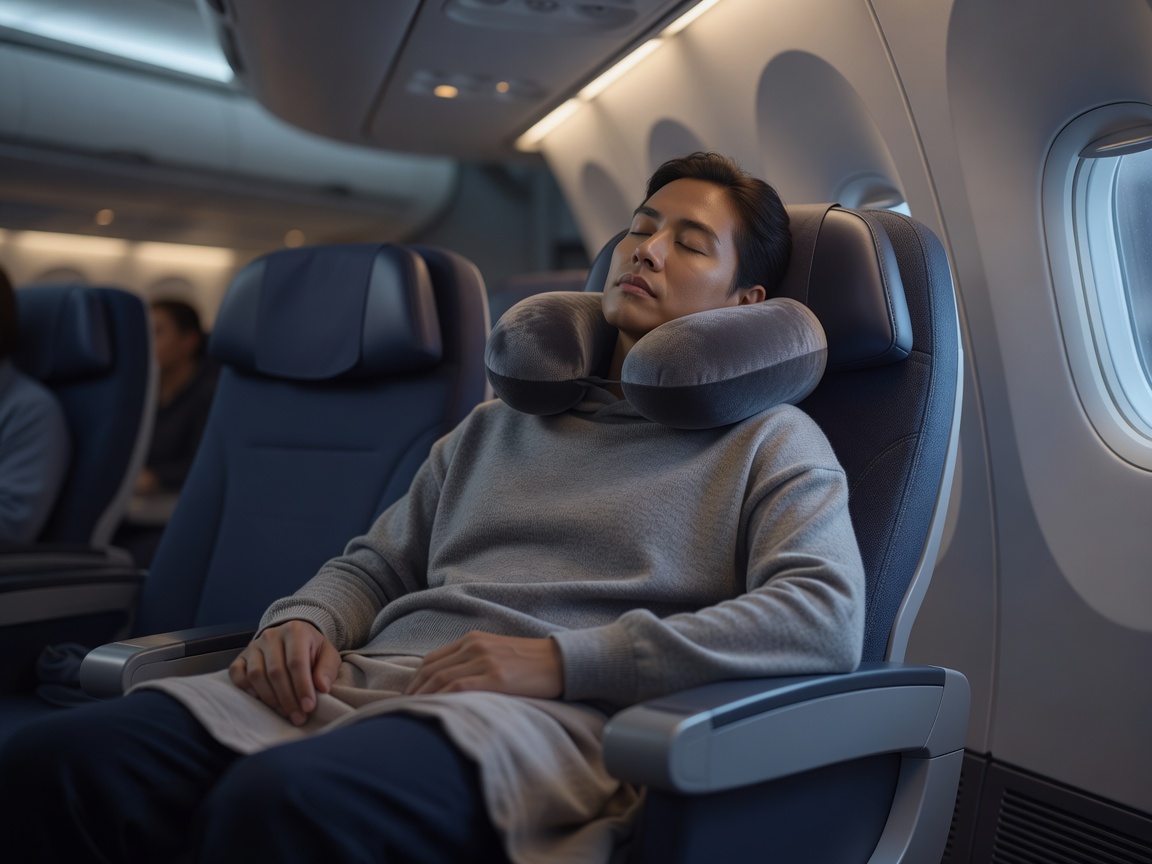
The Anatomy of Travel Fatigue
The human head weighs approximately 10 to 11 pounds. When you fall asleep, the muscles in your neck relax, losing their ability to hold the head upright. In a bed, this isn't an issue; the mattress and bed pillow support the weight. In a plane or car seat, gravity takes over, pulling the head forward or to the side in a jarring motion often referred to as the "bobblehead" effect.
This sudden drop activates a reflex in the neck muscles to snap the head back up, waking you from light sleep. Over a long flight, this cycle repeats dozens of times, preventing you from entering restorative deep sleep stages and leaving your neck muscles strained and sore.
Traditional U-Shape vs. Modern Wraparound
For decades, the standard response to this problem was the U-shaped pillow. While ubiquitous, it isn't perfect for everyone. Let's look at the evolution of structural designs:
| Design Type | Core Mechanism | Best Suited For | Drawbacks |
|---|---|---|---|
| Standard U-Shape | Rests on shoulders, cushions lateral (side-to-side) leaning. | Window seat sleepers who can lean against a wall. | Offers zero frontal support; the chin still drops forward. |
| High-Sided U-Shape | Elevated lateral walls bridge the gap from shoulder to jaw. | Aisle and middle seat passengers. | Can feel restrictive; pushes against over-ear headphones. |
| Wraparound / Scarf | Internal rigid ribs wrapped in soft fleece span the neck. | Minimalist packers prone to frontal head drop. | Can be warm; takes practice to position correctly. |
| Chin-Support Blocks | Overlapping arms at the front of the neck hold the chin up. | Chronic head-nodders. | Can feel mildly claustrophobic around the throat. |
Reversing the U-Shape
A little-known trick among frequent flyers using standard U-shaped pillows is to wear them backward. By placing the thick curvature of the "U" under the chin and letting the opening rest at the back of the neck (which is usually supported by the tall seatback anyway), you create an improvised chin rest. This effectively prevents the head from dropping forward, drastically reducing muscle strain for middle-seat occupants.
Medical Perspectives on Alignment
Proper cervical alignment is crucial for preventing post-travel headaches and nerve compression. A good travel pillow shouldn't just be soft; it must fill the negative space between your neck and the seat. If a pillow is too thick behind the neck, it pushes the head forward, compounding strain. The ideal support system maintains a neutral spine, replicating your natural standing posture even while seated.
When selecting a neck support pillow, prioritize designs that address your specific sleep habit—whether you are a side-leaner or a forward-nodder—to ensure you disembark feeling refreshed.