Cooling Travel Pillows
Thermoregulation strategies for stuffy cabins and warm-weather climates.
The Problem of Trapped Heat
One of the most persistent issues with plush travel pillows—particularly those made of dense memory foam or covered in heavy velour—is heat retention. When wrapped snugly around your neck, these materials trap body heat. In a heavily air-conditioned cabin, this might feel cozy. However, if you are stuck on the tarmac in summer, traveling on a crowded bus without AC, or simply prone to running hot, a warm neck can quickly cause sweating, discomfort, and sleeplessness.
Manufacturers have tackled this problem through a combination of material science and clever engineering, primarily focusing on gel overlays, structural ventilation, and advanced cover fabrics.
Cooling Technologies Explained
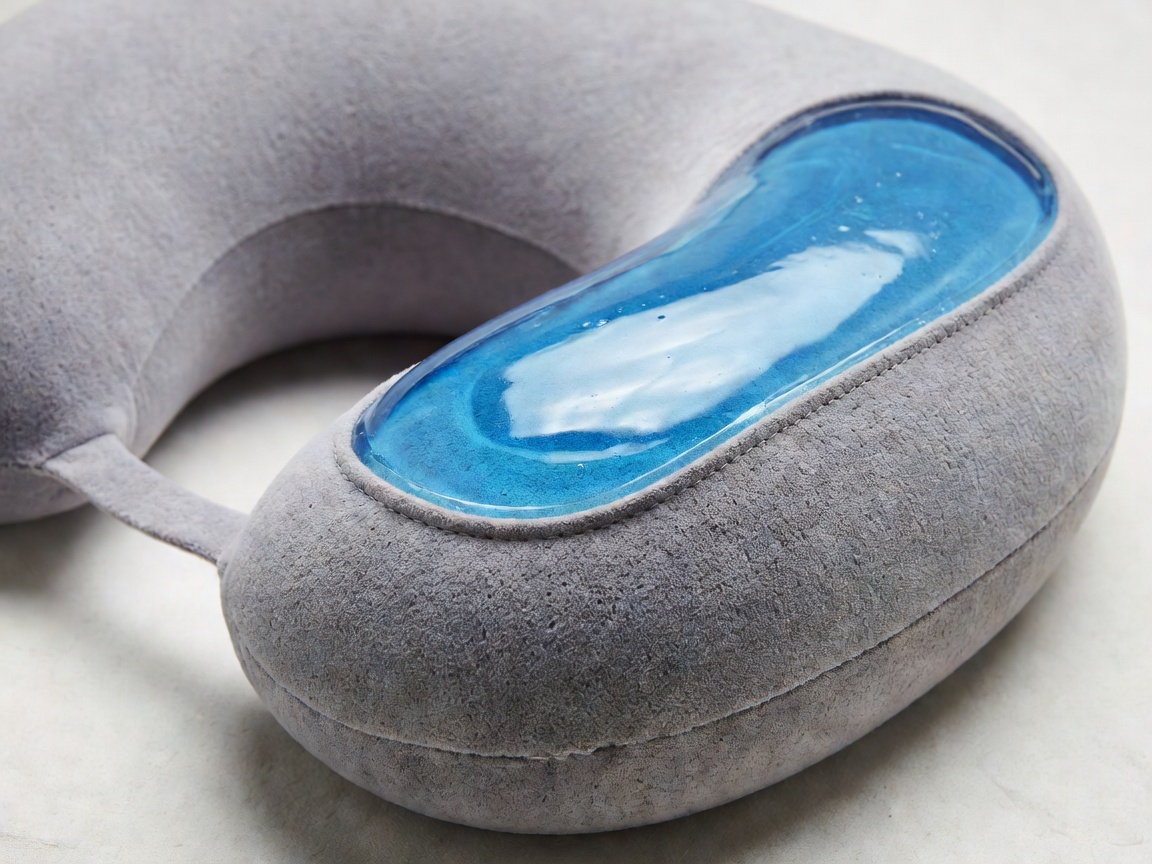
- Gel Pad Overlays: The most common cooling solution. A layer of thermally conductive gel is bonded to the surface of the memory foam. This gel acts as a heat sink, drawing warmth away from your skin. While highly effective initially, it is important to note that gel eventually reaches thermal equilibrium with your body over a few hours.
- Ventilated Cores: Instead of a solid block of foam, these pillows feature precision-cut air channels. As you move, the compression and expansion of the foam actively pump warm air out and draw cooler ambient air in, enhancing breathability.
- Phase Change Materials (PCM): Premium pillows sometimes utilize microencapsulated PCMs. These substances absorb heat as they change from a solid to a liquid state, providing a prolonged, scientifically measurable cooling effect.
The Role of Fabric Covers
The cooling technology inside a pillow is useless if it is trapped behind a heavy, insulating cover. If thermoregulation is your priority, pay close attention to the fabric touching your skin. Avoid fleece, heavy velour, and polyester microfiber.
Instead, look for covers made from:
- Bamboo-derived Rayon: Naturally moisture-wicking and incredibly soft, bamboo fabric feels cool to the touch and allows heat to pass through easily.
- Tencel (Lyocell): Made from wood cellulose, Tencel is highly breathable, excellent at managing moisture, and gentle on sensitive skin.
- Athletic Mesh: Commonly found in activewear, synthetic meshes facilitate maximum airflow, though they may feel slightly less plush against the skin.
Care and Maintenance
Cooling pillows require specific care. Gel layers can become brittle or lose their conductive properties if exposed to extreme heat (like the trunk of a car in summer) or direct sunlight for prolonged periods. Always adhere strictly to the manufacturer's washing instructions. Generally, the core should never be submerged in water, and the breathable covers should be washed on a gentle, cool cycle to prevent shrinking and preserve their moisture-wicking properties.