Kids' Travel Pillows
Navigating safety, anatomical sizing, and comfort for younger travelers.
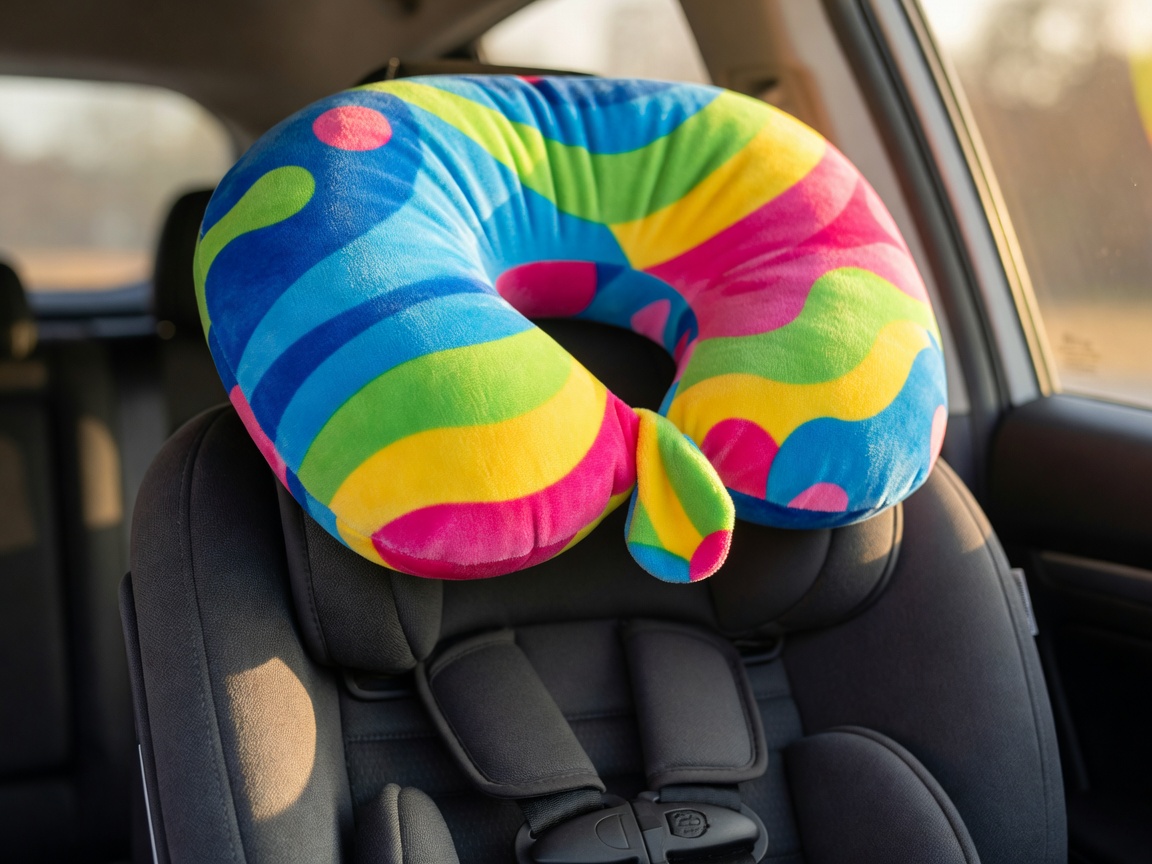
Anatomical Differences Matter
Buying a travel pillow for a child is not as simple as purchasing a miniature version of an adult U-shape. Children have different anatomical proportions. Their heads are relatively larger and heavier compared to their bodies, and their necks are shorter. Putting a thick adult-style pillow around a toddler's neck can force their chin dangerously far forward, potentially obstructing their airway and causing extreme discomfort.
The primary goal of a children's travel pillow is lateral (side-to-side) support to prevent their head from lolling onto their shoulder or out of the protective zone of a car seat, rather than massive rear neck support.
Safety in Car Seats vs. Airplanes
The context of travel dictates the type of pillow you should buy. There is a distinct difference between airplane use and car seat use.
- In Car Seats: Safety is paramount. Many car seat manufacturers specifically state that after-market accessories (like thick pillows) should not be used, as they can alter the way the child's body interacts with the harness in a crash. For car travel, look for ultra-slim profile pillows that only provide side cushioning without interfering with the seatbelt pathways or pushing the head away from the headrest.
- On Airplanes: Without the constraints of a 5-point harness or crash-test requirements, you have more flexibility. Wraparound styles that softly brace the chin, or pillows that allow the child to lean forward onto the tray table, are excellent options for long flights.
Finding the Right Fit
Sizing is critical. A pillow that is too large will be pushed up over the ears, irritating the child, while one that is too small can cause a choking hazard. Look for models with adjustable front clasps or hook-and-loop closures that allow the pillow to grow with the child. Age brackets provided by manufacturers are helpful guidelines, but checking the neck circumference measurement is far more accurate.
Features to Look For
- Machine Washable: Spills and drool are inevitable. A removable cover is non-negotiable.
- Breathable Fabrics: Children often sleep hot; avoid thick fleeces in favor of cotton blends.
- Fun Designs: Animal shapes or bright colors encourage the child to view the pillow as a toy, increasing the likelihood they will wear it.
Features to Avoid
- Microbead Fillings: If a seam rips, thousands of tiny beads become an immediate choking and inhalation hazard.
- Dangling Cords: Avoid drawstrings or long straps that could pose a strangulation risk.
- Overly Thick Rears: Pillows with thick back sections push the head forward uncomfortably.
Alternative Sleep Solutions
If your child refuses to wear a neck pillow, consider alternatives. Seat-extenders or inflatable footrests can turn an economy airplane seat into a flat bed for a toddler (though you must check airline policies, as many carriers ban them). Ultimately, involving the child in picking out the color or animal design of their pillow is the best way to ensure they use it, paving the way for a quieter journey for the whole family.