Inflatable Travel Pillows
The minimalist’s dream: maximum portability combined with adjustable firmness.
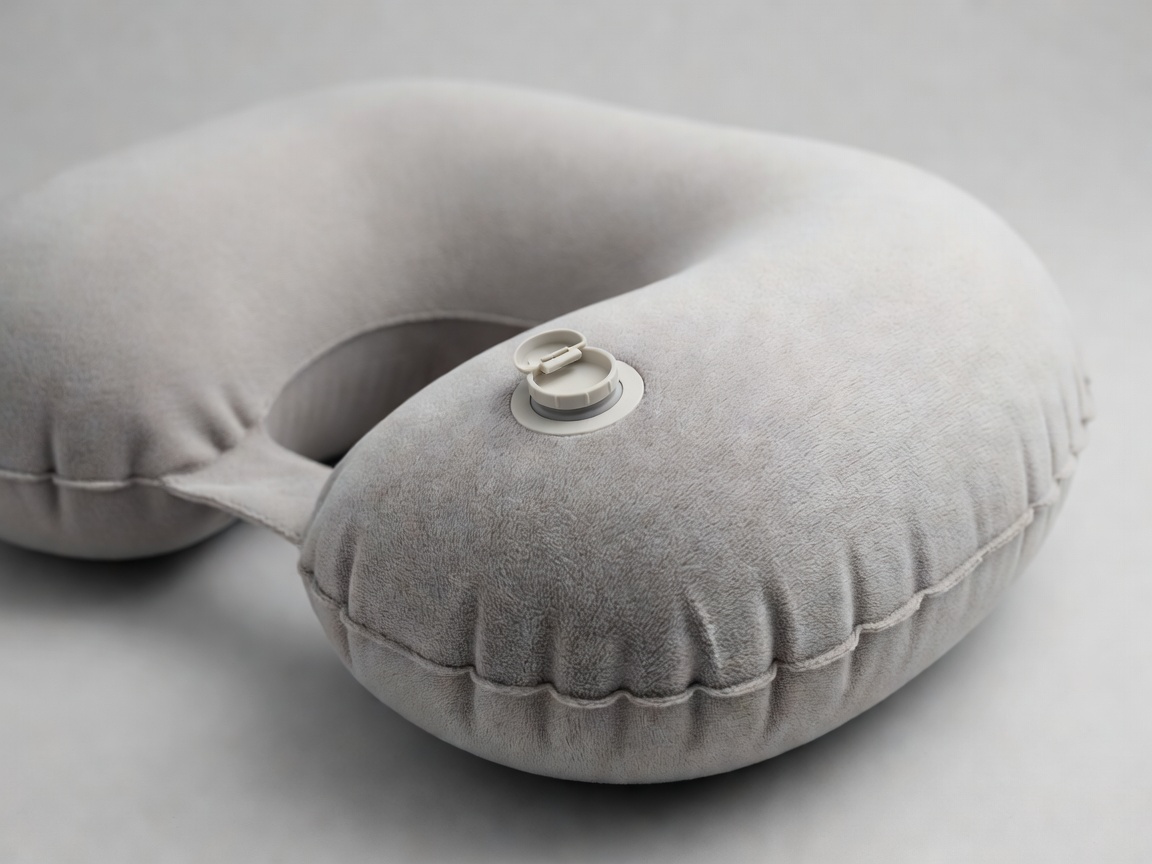
The Appeal of Air-Core Pillows
For backpackers, light-packers, and budget airline passengers navigating strict cabin baggage allowances, traditional memory foam pillows are often too bulky. This is where the inflatable travel pillow shines. Constructed with a durable PVC or TPU (thermoplastic polyurethane) inner bladder, these pillows can be blown up in seconds and deflated to the size of a smartphone when not in use.
However, the modern inflatable pillow has evolved significantly from the rigid, scratchy plastic crescents of the past. Today's models feature ergonomic contours, integrated pumps, and plush, removable covers that mimic the feel of traditional bedding.
Valve Technologies
The usability of an inflatable pillow often comes down to its valve design. Early models used basic pinch-valves (similar to a beach ball), which made them difficult to inflate without losing air and frustrating to deflate. Modern iterations typically use one of the following:
- One-Way Flat Valves: These allow air in without letting it escape between breaths. Deflation is achieved by pressing a hidden button or opening a secondary wider cap.
- Integrated Push-Button Pumps: Some premium inflatables feature a built-in hand pump. You repeatedly press a raised bulb on the pillow to inflate it without using your mouth—a major benefit for hygiene and ease of use in crowded cabins.
Advantages
- Unmatched portability; easily fits into a coat pocket or small purse.
- Customizable firmness—inflate fully for stiff support or partially for a softer feel.
- Lightweight, adding negligible ounces to your baggage weight.
- Often more budget-friendly than premium memory foam options.
Disadvantages
- Prone to punctures if mishandled or snagged on sharp objects.
- Air bladders lack the body-contouring properties of foam, sometimes feeling "bouncy."
- Can be noisy; shifting your head might produce a squeaking or crinkling sound.
- Changes in cabin pressure during flight can alter the pillow's firmness mid-air.
Pro-Tip: Managing Cabin Pressure
A common mistake travelers make with inflatable pillows is filling them to maximum capacity while on the ground. As commercial aircraft ascend, the cabin pressure drops relative to sea level. The air trapped inside the pillow expands. A pillow that felt perfectly firm on the runway can become rock-hard and uncomfortable at cruising altitude, risking a popped seam.
To avoid this, inflate your pillow to roughly 70-80% capacity before takeoff. The decrease in ambient cabin pressure will naturally tighten the pillow as you ascend, resulting in the perfect firmness by the time the seatbelt sign turns off.
Choosing the Right Model
When selecting an inflatable pillow, prioritize the outer fabric. A bare TPU bladder will cause sweat to pool against your skin. Look for a model that features a micro-fleece, velour, or soft cotton cover that is removable and washable. For those who prioritize space above all else, the inflatable pillow remains the undisputed champion of travel comfort.