Memory Foam Travel Pillows
The science of viscoelastic polyurethane foam and why it revolutionized upright sleeping.
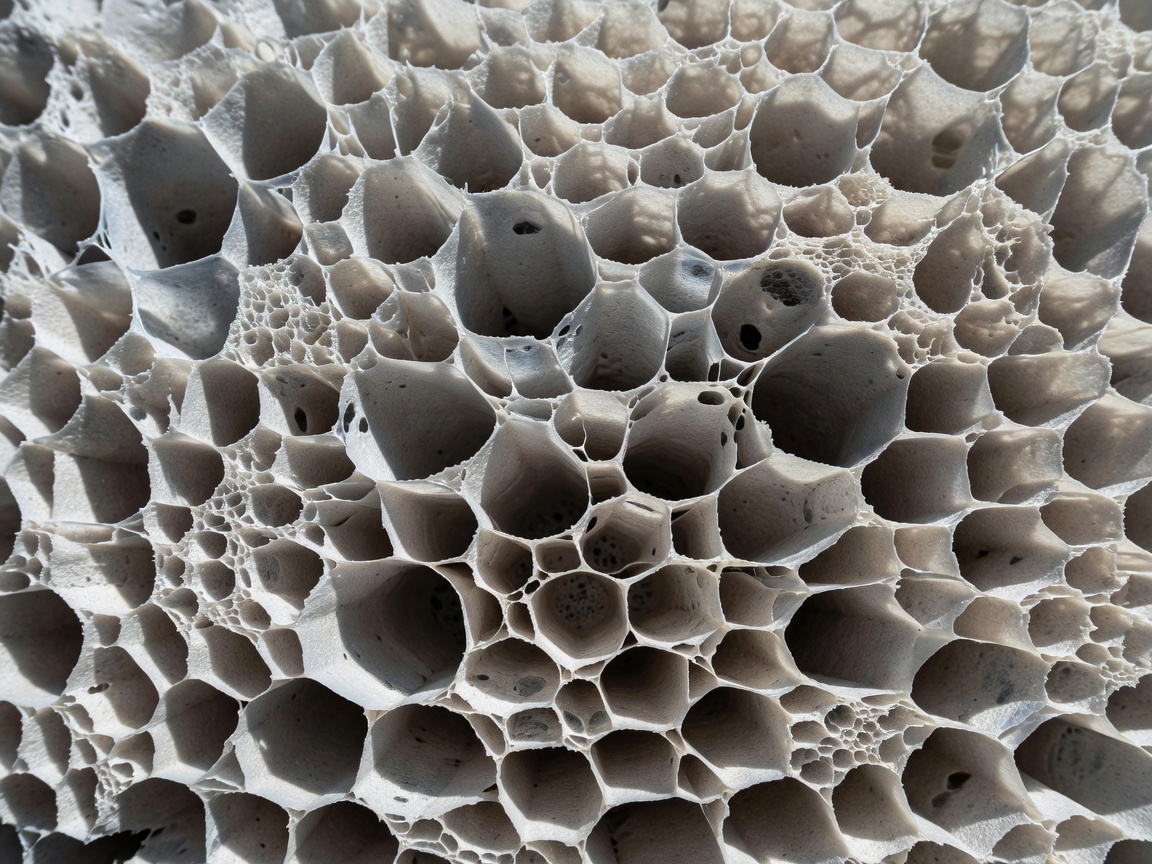
Understanding Memory Foam
Memory foam, originally developed under a NASA contract in the 1960s to improve seat cushioning and crash protection for airline pilots and passengers, is made from a substance called viscoelastic polyurethane foam. The defining characteristic of this material is its ability to soften in reaction to body heat, allowing it to mold to a warm body in a few minutes, and then return to its original shape once the pressure and heat are removed.
In the context of travel pillows, this means the cushion conforms exactly to the unique contours of your neck and jawline. Rather than pushing back against your head—like springy polyester fiberfill often does—memory foam cradles it, distributing weight evenly and relieving pressure points that lead to stiffness after a long flight.
Solid Core vs. Shredded Memory Foam
When shopping for a memory foam travel pillow, you will encounter two primary structural types, each offering a distinct experience:
- Solid Core: A single, molded piece of foam. These offer the highest level of firm support and are excellent for keeping the neck strictly aligned. They are highly durable but can be bulky to pack, as they resist compression more than other types.
- Shredded Foam: Filled with thousands of tiny, torn pieces of memory foam. These pillows are highly malleable. You can squish, fold, and punch them into the exact shape you need. They also tend to be more breathable than solid cores because air can flow between the foam fragments. However, they may not provide the rigid, upright support some travelers require for sleeping in middle seats.
Advantages
- Exceptional, personalized contouring to your specific neck shape.
- Excellent durability; high-density foam rarely flattens out over time.
- Superior weight distribution prevents painful pressure points on the jaw.
- Quiet to use (unlike inflatable or microbead pillows that rustle).
Disadvantages
- Retains body heat, which can become uncomfortable on warm flights or buses.
- Heavier and bulkier than inflatable alternatives.
- Can become stiff if exposed to very cold temperatures (such as being left in a car overnight in winter).
- Sometimes has an initial chemical odor (off-gassing) when first unpackaged.
Packing and Maintenance Considerations
One of the primary complaints regarding memory foam travel pillows is their bulk. Unlike inflatable pillows that vanish into a pocket, memory foam commands space. However, modern designs often come with a compression sack. High-quality viscoelastic foam can be compressed to about a quarter of its full size and will bounce back completely once released. It is recommended not to store the pillow compressed for months at a time, as this can eventually degrade the cell structure, but compressing it for a 24-hour transit period is perfectly safe.
When it comes to hygiene, remember that memory foam itself is almost never machine washable. Water degrades the foam and it takes days to dry fully, becoming a breeding ground for mold. Instead, look for travel pillows with removable, machine-washable outer covers. A soft velour or breathable cotton blend cover that can be tossed in the laundry after a trip will keep your pillow fresh for years.
Is Memory Foam Right for You?
If your primary goal is maximizing sleep quality and you are willing to sacrifice a small amount of luggage space, memory foam is arguably the best material on the market. It is especially beneficial for travelers who suffer from neck pain or those who frequently take long-haul international flights where deep, restorative rest is essential to combating jet lag.